
Dry eye is a condition that significantly impacts many people’s daily quality of life. To help you better understand this issue, the optometry team at Advanced Eyecare Specialists, your eye care providers in Falmouth, Massachusetts, compiled a list of frequently asked questions about dry eye. Whether you’re experiencing symptoms or seeking different care options, we’re here to help you get answers.
What is Dry Eye?
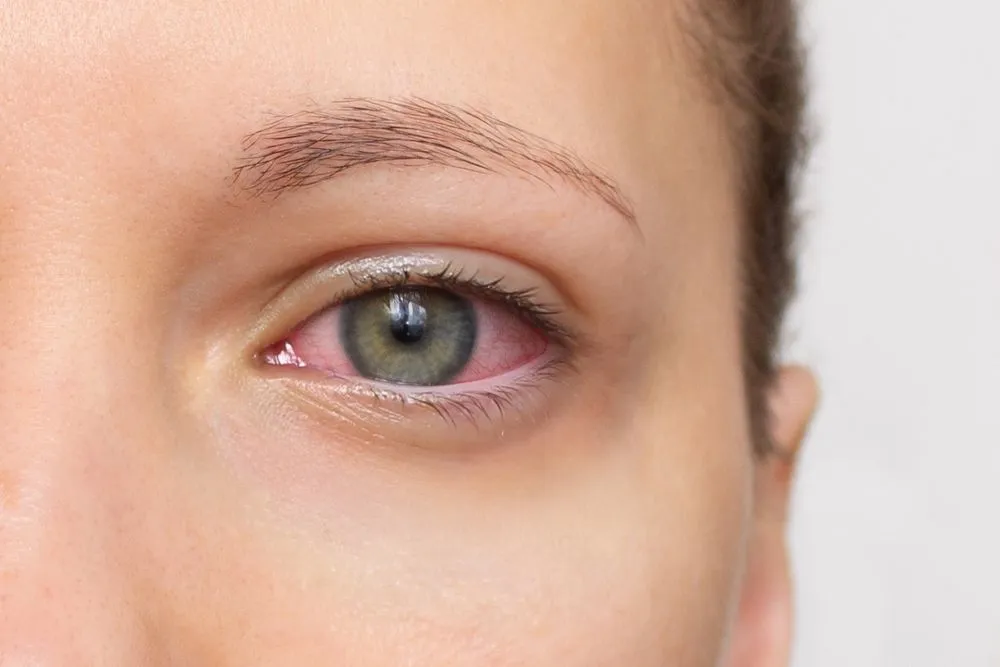
Dry eye occurs when your eyes do not produce enough tears or when the tears evaporate too quickly. This can lead to discomfort, irritation, and vision problems. Tears are essential for maintaining the health of the eye's surface, providing lubrication, and protecting against infection. When the tear film is compromised, it can result in a gritty sensation, redness, and sensitivity to light.
What Causes Dry Eye?
Common contributors include age, hormonal changes, certain medications, and environmental factors such as wind, smoke, or dry air. Additionally, prolonged screen time and contact lens wear can exacerbate dry eye symptoms.
What Are the Symptoms of Dry Eye?
Symptoms of dry eye can vary from person to person but often include a persistent feeling of dryness, burning, or itching in the eyes. Some people experience excessive tearing, which can seem counterintuitive but occurs as the eyes attempt to compensate for dryness. Other symptoms may include blurred vision and a sensation of a foreign body in the eye.
How is Dry Eye Diagnosed?
At Advanced Eyecare Specialists, diagnosing dry eye involves a comprehensive eye examination. During your visit, Dr. Sajban will assess your symptoms, review your medical history, and perform tests to evaluate your tear production and the quality of your tear film. This thorough evaluation allows us to determine the severity of your dry eye and develop a personalized treatment plan.
What Treatment Options Are Available?
Treatment for dry eye varies depending on the cause and severity of the condition. Common treatment options include artificial tears or lubricating eye drops to provide relief and improve tear film stability. In some cases, prescription medications may be recommended to increase tear production or reduce inflammation.
For people with more severe dry eye, additional treatments such as punctal plugs, which block tear drainage, or specialized therapies like LipiFlow may be considered. Our Falmouth, Massachusetts, optometry team will work closely with you to determine the most appropriate treatment to alleviate your symptoms and improve your eye health.
Can Lifestyle Changes Help with Dry Eye?
Yes, certain lifestyle changes can help manage dry eye symptoms. Staying hydrated by drinking plenty of water, taking regular breaks from screens, and using a humidifier in dry environments can improve eye comfort. Additionally, practicing the 20-20-20 rule—taking a 20-second break to look at something 20 feet away every 20 minutes—can help reduce eye strain and dryness.
When Should I See a Doctor?
If you are experiencing persistent dry eye symptoms that interfere with your daily activities or quality of life, it’s essential to seek professional help. Early intervention can prevent further complications. At Advanced Eyecare Specialists, we’re more than a source for eyeglasses. Our optometry team provides compassionate care and solutions for dry eye.
Visit an Optometrist Near You for Dry Eye Treatment
Understanding dry eye is the first step toward finding relief and improving your eye health. If you have additional questions about dry eye or would like to schedule an appointment, call the Falmouth, Massachusetts, office of Dr. Sajban at Advanced Eyecare Specialists at (508) 444-8691.